
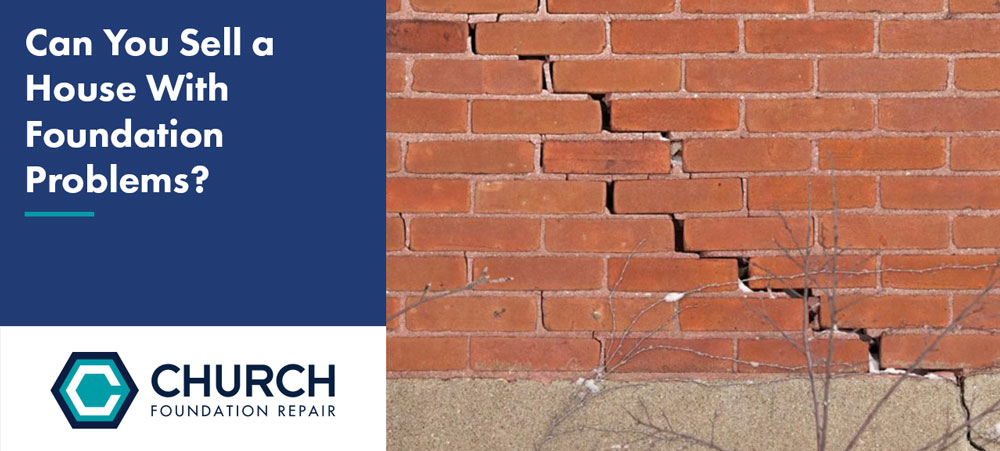
If you’ve noticed cracks, doors that don’t close, or other signs of foundation trouble, you might wonder if you can still sell your home as-is.
For many Houston, DFW, Austin, and San Antonio homeowners, foundation concerns show up right when you’re thinking about putting your house on the market—and that’s where a trusted team like Church Foundation Repair can help you understand your options.
The short answer is yes: you can sell a house with foundation problems.
But understanding what those problems mean, how they affect value, and when to bring in a foundation specialist such as Church Foundation Repair can help you make a smart decision for your family and your budget.
What counts as a foundation problem?
Foundation issues can look very different from home to home, especially across Texas soils.
Common signs include:
- Stair-step or horizontal cracks in brick or exterior walls
- Interior drywall cracks that run from door or window corners
- Doors or windows that stick, drag, or won’t latch properly
- Sloping, bouncy, or uneven floors
- Gaps between baseboards and floor, or between walls and ceiling
Sometimes these signs come from normal settlement.
Other times they point to a deeper issue with your slab foundation, underground plumbing, or drainage around your home that needs professional attention.
A qualified foundation repair company can help you sort out the difference, explain what’s going on under your home, and recommend a repair plan built around your specific structure—not just a one-size-fits-all fix.
Can you legally sell a home with foundation issues?
In Texas, most buyers and agents expect full disclosure of known material defects, including foundation problems.
That doesn’t mean you can’t sell; it means you should be honest about what you’ve seen and anything you’ve already had evaluated.
Here’s how foundation problems typically affect the sales process:
- You can sell “as-is,” but buyers may negotiate a lower price to account for repairs.
- You can repair first, then list—often with documentation and a transferable warranty that gives buyers confidence.
- You can agree to repair as part of the contract, using a trusted foundation company to complete the work before closing.
Many buyers in Houston and other Texas markets are familiar with clay soils and foundation movement.
When you pair a clear inspection report with a professional repair plan, you can often move forward confidently rather than losing buyers to uncertainty.
How foundation problems affect your home’s value
Foundation issues do not automatically mean your house is unsellable.
However, they can influence:
- Appraisal value, especially if movement is ongoing or severe
- Buyer confidence, if there is no evaluation or repair plan in place
- Insurance and lending, when major structural concerns are left unaddressed
A structured repair plan can help stabilize your foundation, protect your home’s structure, and provide documentation that you can share with buyers, agents, and appraisers.
In many cases, this combination helps keep a sale moving forward and reduces surprises during inspection.
Should you fix foundation problems before selling?
Deciding whether to repair before selling depends on your timeline, budget, and how advanced the damage is.
You may want to repair before listing if:
- The damage is obvious and likely to worry buyers or inspectors
- You plan to stay a while longer and want to protect your home in the meantime
- You want to preserve as much equity as possible in a competitive market
You may choose to sell as-is if:
- The issues are minor and well-documented by a foundation professional
- You’re prepared to price the home accordingly and negotiate with buyers
- You’re under time pressure and need to move quickly
In either case, a professional evaluation gives you clear information: what’s causing the issue, what it will take to fix it, and whether the problem is getting worse.
That way, you aren’t guessing when buyers or inspectors start asking questions.
Risks of ignoring foundation issues before a sale
Putting off an evaluation doesn’t make the movement go away.
Over time, unaddressed foundation problems can lead to:
- Widening cracks in walls, brick, and slab
- Sticking windows and doors that become harder to operate
- Strain on plumbing lines, creating leaks under the slab
- Additional damage to finishes, trim, and flooring
These changes can make your home less comfortable to live in if you don’t sell right away.
They can also create larger repair needs later, which may cost more than addressing the problem when you first notice the signs.
When to call a foundation professional in Texas
If you see signs of foundation movement—or you’ve already been told there’s a concern—contact a professional before you list your home.
A thorough evaluation should:
- Review the symptoms you’re seeing inside and outside the home
- Check for related issues such as drainage or plumbing concerns
- Provide a clear, written plan if repairs are needed
- Explain what can happen if you choose to wait
At Church Foundation Repair, we’ve spent decades helping Texas families understand and address foundation issues before, during, and after a home sale.
Our goal is to give you straightforward information so you can make the decision that’s right for you and your buyer.
A steady foundation for your next move
Selling a home with foundation problems is possible when you have the right information and the right team on your side.
If you’re preparing to sell in the Houston, DFW, Austin, or San Antonio areas and you’re concerned about your foundation, we’re here to help.
Call Church Foundation Repair to schedule a full evaluation and discuss your options, and let us help protect your property from the ground up while you plan your next chapter.