
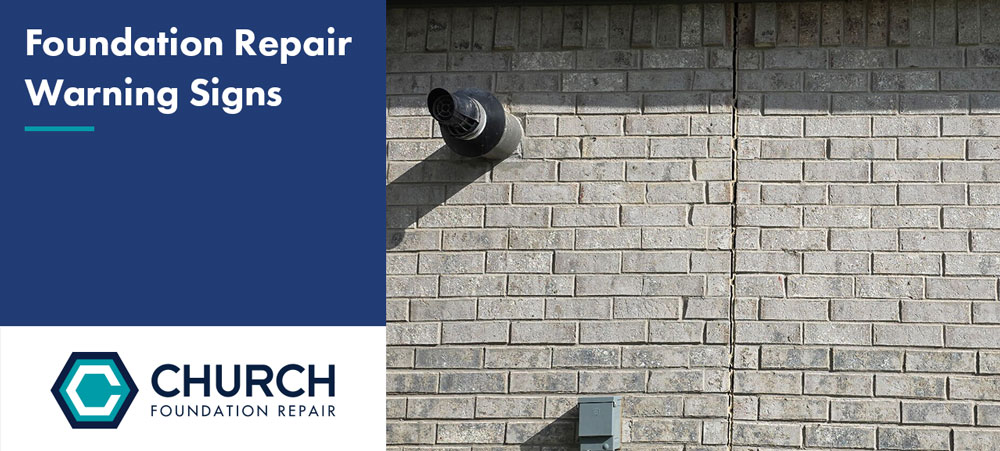
Dallas homes face unique foundation challenges because of North Texas’ expansive clay soil. During heavy rain, clay soil absorbs moisture and expands. During hot, dry periods, it shrinks and can pull away from the foundation. Repeated cycles of expansion and contraction can create uneven movement beneath a home.
At Church Foundation Repair, we help Dallas-area homeowners determine whether cracks, sticking doors, uneven floors, and other changes are normal settling or signs of a larger foundation problem.
Knowing what to watch for can help you recognize potential problems early and decide when it’s time for a professional evaluation.
Why Dallas Soil Creates Foundation Problems
Dallas sits on some of the most challenging soil in Texas for home foundations. The expansive clay soil that covers most of the Dallas–Fort Worth metroplex behaves very differently than the more stable soils found in other regions — and that difference shows up in how, and how often, foundation problems appear in local homes.
Our region’s clay-rich soil contains minerals that absorb water like a sponge. When Dallas experiences heavy rainfall, this soil can expand significantly, creating upward pressure on your foundation. During our hot, dry summers, the same soil shrinks, pulling away from your foundation and creating voids underneath.
This cycle of expansion and contraction creates ongoing stress on your home’s structure. Unlike the gradual settling that occurs in most homes during their first year or two, movement caused by expansive clay soil is repetitive and can continue for as long as the soil keeps cycling through wet and dry periods.
The Dallas weather factor: The combination of scorching summers and sudden heavy rain events creates conditions that keep soil moisture — and therefore foundation movement — in near-constant flux:
- Extended drought periods during summer months
- Intense rainfall events that can drop several inches of water in a single storm
- Sharp temperature swings between seasons
- Rapid transitions from dry to saturated soil conditions
These patterns mean your foundation is often adjusting to changing soil conditions beneath it. That’s the backdrop for the warning signs below.
Interior Warning Signs
Foundation movement most often shows up inside the home first. One small crack or sticking door does not necessarily indicate a serious problem, but multiple symptoms or changes that continue to worsen deserve closer attention.
Doors or Windows That Stick or Won’t Latch
What you’ll notice: Doors that used to close smoothly now need pushing, pulling, or lifting. Windows become hard to open or won’t stay open without propping.
Why this happens in Dallas: When expansive clay soil swells after heavy rain, it can push on the foundation unevenly. This shifting may throw door and window frames out of square, causing them to bind. Homeowners often notice this a few weeks after significant rainfall.
When to have it looked at: One sticking door can simply be humidity affecting the wood. Several doors sticking at once, or sudden sticking right after a weather event, is worth a professional look.
Diagonal Cracks at the Corners of Doors or Windows
What you’ll notice: Cracks starting at the upper or lower corners of door and window frames, running diagonally across the wall.
Why this happens in Dallas: These cracks tend to appear at structural stress points. When soil shrinks unevenly beneath one part of a home during drought, the resulting settlement can concentrate stress around door and window openings.
When to have it looked at: Cracks wider than about 1/4 inch, or ones that keep widening after each drought-rain cycle, warrant an inspection.
Floors That Slope, Feel Spongy, or Are Noticeably Uneven
What you’ll notice: Floors that feel like they’re tilting, spots where a ball rolls on its own, or areas that feel soft underfoot.
Why this happens in Dallas: Uneven floors can indicate differential settlement — one part of the foundation moving more than another. This can happen when soil beneath one section dries and shrinks more than the surrounding soil.
When to have it looked at: A professional evaluation can help determine the cause if you notice a slope that’s new or has grown over the past several months.
Cracks Along the Ceiling, Especially Near Interior Walls
What you’ll notice: Cracks where walls meet the ceiling, particularly along interior walls.
Why this happens in Dallas: As a foundation shifts, interior walls can pull away from ceiling joists. These cracks often show up first at load-bearing walls.
When to have it looked at: Cracks that widen with the seasons, or that exceed about 1/8 inch, are worth having checked.
Gaps Between Baseboard and Floor, or Wall and Ceiling
What you’ll notice: Visible separation where trim pulls away from the wall or floor.
Why this happens in Dallas: Different parts of a home can shift at different rates as the foundation moves, which can open gaps at connection points — often more noticeable during wetter months.
When to have it looked at: Gaps wider than about 1/4 inch, or ones that seem to be growing, are a reasonable trigger for an inspection.
Tile or Grout Cracking in a Linear Pattern
What you’ll notice: Cracks in tile that run in straight lines across a room rather than following grout lines.
Why this happens in Dallas: Tile and grout are rigid and can crack when the slab beneath them flexes. A linear crack pattern can point to movement concentrated along a specific line in the slab.
When to have it looked at: Multiple cracked tiles or new cracks appearing regularly are worth a professional assessment.
Exterior Warning Signs
Your home’s exterior often shows signs of foundation movement before it’s obvious inside. It’s worth a walk-around after any unusually wet or dry season.
Stair-Step or Horizontal Cracks in Brick or Mortar
What you’ll notice: Cracks that follow mortar lines in a stair-step pattern, or horizontal cracks running across several brick courses.
Why this happens in Dallas: Stair-step cracks can indicate lateral shifting as soil beneath the foundation moves unevenly. Horizontal cracks may suggest more significant lateral pressure.
When to have it looked at: Any stair-step crack wider than about 1/4 inch, or any horizontal crack, is a reasonable reason to schedule an inspection.
Gaps Between the Chimney and the Main House Structure
What you’ll notice: Visible separation where the chimney pulls away from the house.
Why this happens in Dallas: Chimneys often sit on a separate footing from the rest of the home. If that footing settles at a different rate than the main foundation, separation can occur — something that’s more common in areas with mature trees, since root systems can create uneven soil moisture nearby.
When to have it looked at: Any visible gap or chimney lean is worth having a professional take a look, since it can point to foundation movement that’s worth understanding sooner rather than later.
Exterior Walls That Appear to Bow or Lean
What you’ll notice: Walls that look curved when you sight down them, or sections that lean in or out.
Why this happens in Dallas: Bowing can result from significant pressure against a foundation wall — for example, when expansive soil pushes unevenly during wet periods.
When to have it looked at: Noticeable bowing is a sign of serious structural stress and is worth a prompt professional evaluation rather than a wait-and-see approach.
Cracks in the Concrete Slab (Garage Floor or Foundation Edge)
What you’ll notice: Cracks in a garage slab or visible cracks at the edge of the home’s foundation.
Why this happens in Dallas: Slab cracks can form when a foundation settles unevenly. Garage slabs are often more exposed to temperature swings since they’re outside the home’s climate-controlled areas.
When to have it looked at: Cracks wider than about 1/4 inch, cracks with visible vertical displacement, or new cracks after a weather event are worth having checked.
Separation Between Exterior Trim and the Wall
What you’ll notice: Gaps where trim, fascia, or soffits pull away from the structure.
Why this happens in Dallas: As framing shifts with the foundation, trim attached at more stable points can separate, creating visible gaps.
When to have it looked at: Gaps wider than about 1/2 inch, or separation showing up in multiple places, is worth a professional look.
Preventing Foundation Damage in Dallas
Expansive clay soil presents an ongoing challenge, but consistent maintenance can reduce the risk of serious problems.
Maintain consistent soil moisture. Keeping moisture levels steady around the foundation during dry months can help prevent the extreme shrinkage that creates voids underneath. Many Dallas homeowners use a soaker hose placed roughly 18–24 inches from the foundation during drought periods. A general target is soil that’s moist but not saturated — sometimes described as “play-doh” consistency.
Ensure proper drainage. Heavy Dallas rainstorms can put a lot of water near your foundation quickly:
- Clean gutters and downspouts regularly
- Extend downspouts several feet away from the foundation
- Grade the yard so water flows away from the house
- Consider French drains in spots where water tends to pool
Monitor your foundation regularly. A seasonal visual check can help you catch changes early:
- After heavy rain: look for new cracks, sticking doors, or new gaps
- During drought: watch for widening cracks or new floor unevenness
- Fall: check brick mortar, chimney alignment, and exterior trim
- Winter: check interior wall and ceiling cracks
Dated photos of any cracks or changes make it much easier to tell whether an issue is stable or getting worse over time.
Address issues early. Foundation movement generally doesn’t resolve on its own, and problems caught early are typically less involved to address than ones that have progressed. If you notice multiple warning signs at once, or existing issues that worsen after a weather event, it’s worth getting a professional opinion sooner rather than later.
How to Tell Normal Settling from a Bigger Problem
Normal settling typically happens within the first year or two after construction and tends to produce small, stable hairline cracks. [VERIFY: the specific width/timeframe thresholds below should be confirmed with an engineer or approved technical source before publishing, and cited accordingly.]
Signs that suggest something beyond normal settling:
- Cracks that keep widening over months or years
- Multiple warning signs appearing at the same time
- Doors that get progressively harder to close
- New cracks appearing after each drought-rain cycle
The key difference is progression: normal settling tends to stabilize, while ongoing foundation movement tends to continue or worsen. A professional inspection can help establish a baseline and clarify which situation you’re dealing with.
What Causes Foundation Cracks in Dallas Homes?
Dallas foundation cracks are often connected to the area’s expansive clay soil combined with its weather cycles. This clay-rich soil can absorb significant water and swell noticeably when saturated, then shrink as it dries out.
During drought — common in the summer months — soil can contract and pull away from the foundation, creating voids underneath. When heavy rain follows, the soil can expand quickly and push against the foundation with considerable force. This cycle of contraction and expansion is a common contributor to cracking over time.
Homes with mature trees nearby sometimes see more pronounced soil moisture swings, since root systems draw moisture from the soil and can accelerate drying near the foundation.
Does Homeowners Insurance Cover Foundation Repair in Dallas?
[This section touches on insurance coverage and should be reviewed by someone with compliance/insurance authority before publishing.]
Standard homeowners insurance policies typically don’t cover foundation damage caused by soil movement, settling, or gradual wear — these are usually treated as maintenance issues rather than sudden, covered events.
Coverage may apply in narrower circumstances, such as damage from a sudden plumbing leak (depending on your specific policy) or certain named perils listed in your policy. [VERIFY: any statement about specific riders, pricing, or availability needs sign-off from an insurance-qualified source before publishing — do not state pricing without verification.]
If you’re unsure what your policy covers, your insurance agent can review your specific coverage with you.
When Warning Signs Are More Urgent
Some combinations of symptoms point to faster-progressing movement. Multiple warning signs appearing at once, or symptoms that appear suddenly after a severe weather event, are generally worth treating as a priority. In Dallas, that often means shortly after a heavy rainfall period; in other parts of Central Texas, a prolonged summer drought is a more common trigger.
Get a Professional Opinion
If your home is showing several of the signs above, scheduling an inspection can give you clarity on whether you’re dealing with something minor or something that needs prompt attention.
Request Your FREE Foundation Inspection Today — Serving Houston, Dallas/FW, and Austin