My Floors Feel Uneven or Are Sloping — What's Going On?

Sloping or Bouncy Floors Are More Than a Nuisance — They're a Warning

You notice it when you set something on the kitchen counter and it rolls. Or when you walk across a room and feel a subtle dip underfoot. Maybe a chair wobbles on what should be a flat floor, or you’ve spotted cracks spreading across your tile that stretch longer than they should. Uneven and sloping floors are easy to dismiss as quirks of an older home — but in Texas and Oklahoma, they’re one of the clearest signs that something beneath your home needs attention.

At Church Foundation Repair, the cause of uneven floors depends heavily on what type of foundation your home sits on. Getting that diagnosis right is the difference between a repair that lasts and one that misses the problem entirely.

Slab Foundation — Why It Matters

Most Texas homes sit on a concrete slab foundation, and understanding how it works helps explain why uneven floors are such an important warning sign.

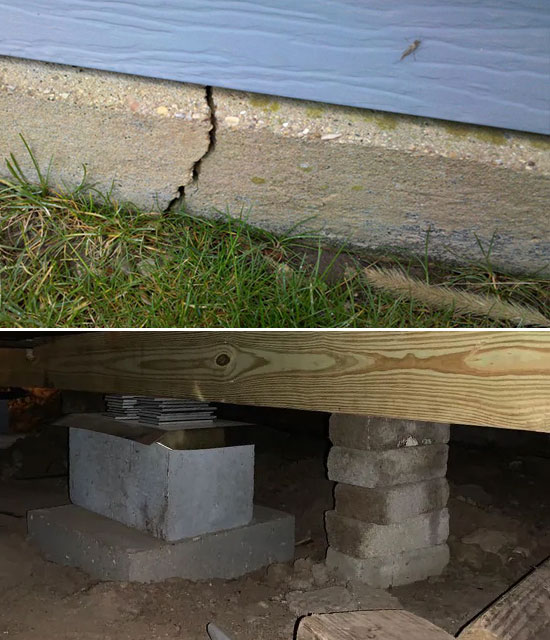
If you have a slab foundation, sloping floors typically mean a section of the concrete has settled or heaved due to soil movement beneath it. Texas clay soil expands and contracts with moisture changes, and when it shifts unevenly under your slab, some areas drop while others stay put — creating a tilt you can feel across the floor.

This type of movement is one of the most common foundation problems we encounter across Texas, and the good news is that it’s also one of the most fixable — when addressed early and by the right team.

Signs Your Uneven Floors May Be a Foundation Issue

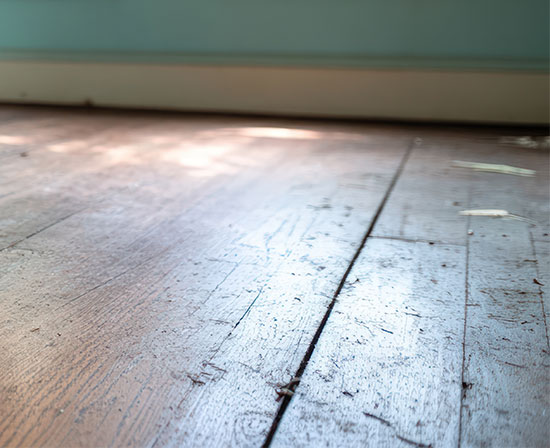
  • Floors that visibly slope toward one area of the room — A consistent tilt in a particular direction almost always points to foundation settlement beneath that section of the home.
  • Soft, spongy, or bouncy spots underfoot — In pier and beam homes, this indicates damaged or deteriorated floor joists and beams that are no longer providing solid support.
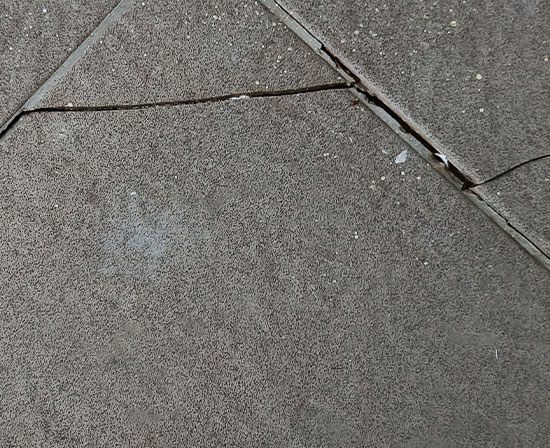
  • Tile or hard surface flooring cracks stretching several feet — Short cracks in tile can result from improper installation, but cracks that run for several feet across a room are a foundation red flag.
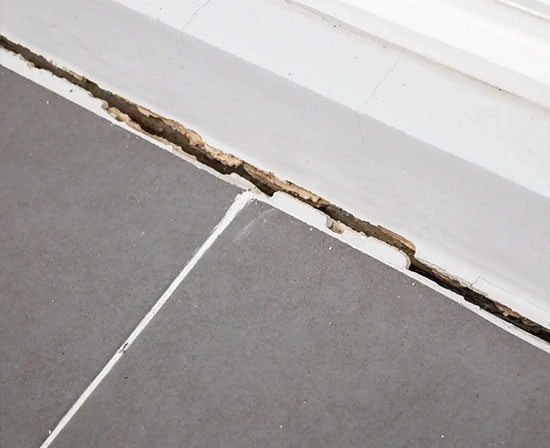
  • Gaps between your baseboard trim and the floor — When the floor dips in certain areas, it pulls away from the trim at the wall, leaving gaps that get wider over time.
  • Doors sticking on the same floor where the slope is worst — When uneven floors and sticking doors appear together in the same area, the foundation cause is almost certain.

Why This Shouldn't Wait

Uneven floors tend to worsen gradually — slowly enough that homeowners adapt to them without realizing how much the problem has progressed. But the underlying cause, whether it’s soil movement under a slab or deteriorating supports in a pier and beam system, doesn’t stabilize on its own. Left unaddressed, what starts as a subtle slope can lead to damaged plumbing, compromised structural framing, and significantly higher repair costs down the road.

Church Foundation Repair provides free, accurate foundation inspections for both slab and pier and beam homes across Texas and Oklahoma. We measure, document, and diagnose — then tell you exactly what’s happening and what it takes to fix it permanently.

If your floors don’t feel right, trust that instinct. Contact Church Foundation Repair today for a free estimate!

Why Choose Church Foundation Repair for Your Foundation Repair

Worried about cracks in your foundation walls? Don’t risk your family’s safety or your home’s value.

Ready to get started?

Your home deserves expert care from the ground up. Schedule your free, no-obligation inspection with Church Foundation Repair and get the honest answers you need from a team you can trust.

Scroll to Top