Home » Service Areas » Garland, TX
Foundation Repair in Garland, TX
Slab foundation repair, sewer line repair and drainage solutions for Garland homes on expansive North Texas clay. Start with a free, no-obligation inspection.
- 35+ years in Texas
- 10,000+ customers served
- Transferable service agreements
- Financing available
A Dallas–Fort Worth specialist will contact you to schedule your free, no-obligation inspection.
"*" indicates required fields
Garland Foundation Repair Built for North Texas Soil
Church Foundation Repair provides foundation repair in Garland, TX for homes built on concrete slab foundations. Garland is one of the largest cities in Dallas County, and much of it was built from the 1950s through the 1980s on slabs poured over expansive North Texas clay. That clay swells when it is wet and shrinks as it dries, and the slab above it moves with every cycle.
Many Garland homes have now been through fifty years or more of those cycles. We see the results in established neighborhoods such as Eastern Hills, Hickory Creek and Duck Creek, and in newer areas near Firewheel: cracks in drywall and brick, doors that stick, floors that slope, and gaps around windows. Every Garland foundation repair starts with a full inspection of the slab, the drainage around it and, when needed, the plumbing beneath it.
Our Dallas–Fort Worth team has served North Texas homeowners since 1990 and works throughout Garland and the neighboring Dallas County cities.
Signs of Foundation Problems in Garland Homes
Catching these early can keep a small repair from becoming a bigger one. If you see two or more in your Garland home, schedule an inspection.
Drywall or ceiling cracks
Diagonal cracks running from the corners of doors and windows.
Stair-step brick cracks
Cracks that follow the mortar joints on exterior brick.
Sticking doors & windows
Doors that rub, won’t latch or swing open on their own.
Sloping or uneven floors
Floors that dip or slope, or cracked floor tile.
Gaps at baseboards & trim
Separation where walls meet floors, ceilings or cabinets.
Pooling water near the slab
Standing water, or soil pulling away from the foundation.
Foundation Repair & More in Garland
One team handles your foundation and the drainage, plumbing and tree issues that affect it, from the first inspection to the final walkthrough.
Foundation Repair
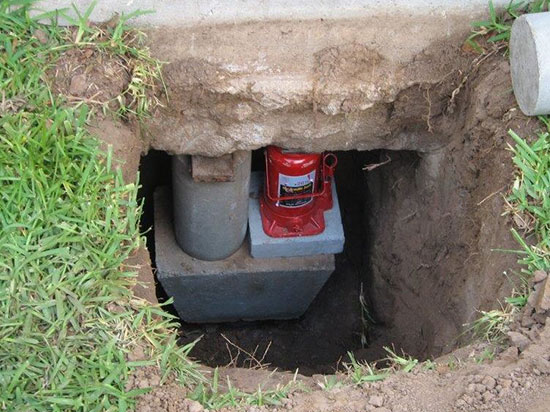
Pressed concrete and steel pilings engineered for Garland soil conditions.
Slab Leveling & Repair
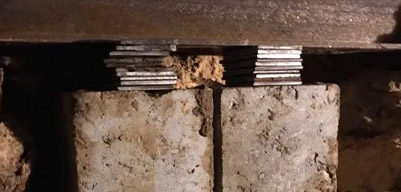
Lift and re-support settled slabs to bring floors back toward level.
Sewer Line Repair
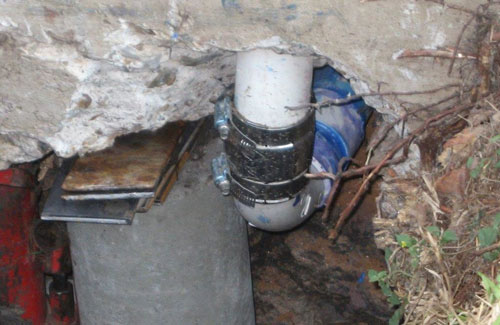
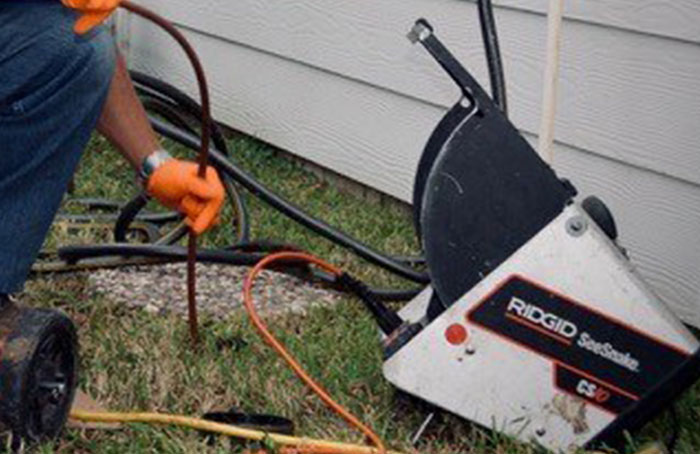
Find and repair under-slab sewer leaks by tunneling, without breaking floors.
Drainage Solutions
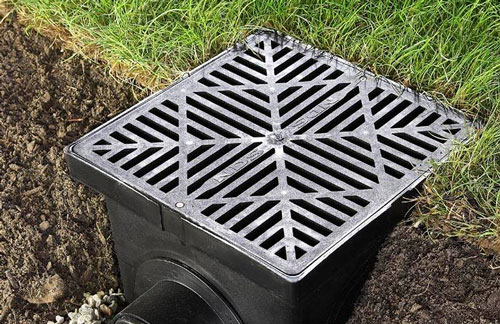
French drains, gutters and grading that keep soil moisture even around the slab.
Hydrostatic Testing
Pressure-test drain lines before or after foundation work, or before a home sale.
Deep Root Barrier
Keep tree roots from drawing moisture out of the soil under your foundation.
What Causes Foundation Problems in Garland
In Garland, the soil and the age of the housing stock combine. The expansive clay under the city holds a lot of water and changes volume as it wets and dries. Wet springs swell it and push up on the slab; hot, dry summers shrink it and pull it away from the foundation.
Age is the second factor. A large share of Garland homes were built between the 1960s and 1980s, with drain lines that are now 40 to 60 years old. A slow leak in a line under the slab keeps the clay in one area saturated and can cause that part of the foundation to settle while the rest stays put. That is why we recommend a hydrostatic test whenever the pattern of movement points to plumbing.
Mature trees and drainage are the third. Garland has a lot of established neighborhoods with large shade trees whose roots pull moisture from under the slab during dry months. Add gutters that empty beside the house and yards that were regraded over the years, and the soil moisture around the foundation becomes uneven.
Lots near creeks and Lake Ray Hubbard-area drainage paths can also stay wetter, which creates a difference in moisture between one side of the home and the other.
We look at soil, drainage, plumbing and trees together, so the repair plan addresses the cause and not just the cracks. Often the right plan combines piers with a plumbing repair or a drainage correction.
Clay soil
Expansive clay soils that swell and shrink across Garland and eastern Dallas County.
Older plumbing
Drain lines under homes from the 1960s to 1980s can leak and soak the soil.
Water & trees
Poor drainage and mature roots leave one side of the slab drier than the other.
Common Problems We Solve with Foundation Repair in Garland
These are the problems we see most often in Garland homes, what each one looks like, and how foundation repair in Garland fixes it.
Slab settlement & heave
A corner or edge of the slab drops as the clay underneath dries, or the center lifts after a long wet spell. Look for diagonal drywall cracks, doors that no longer latch and cracked floor tile. Fix: piers under the settled areas, then a final elevation check to confirm the slab is supported.
Cracks in the slab, tile & brick
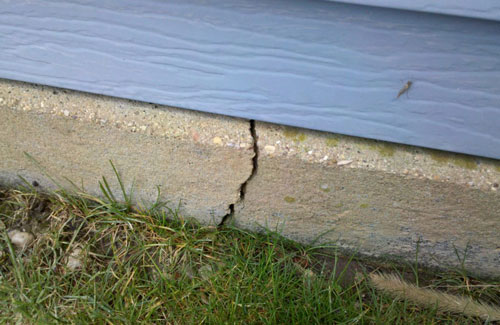
Small hairline cracks are normal as concrete cures. Cracks that grow, offset, or appear alongside stair-step brick cracks and separated trim usually point to movement. Fix: an elevation survey to confirm what’s moving, then piers where the slab has settled so the cracks stop returning.
Under-slab plumbing leaks
A slow leak in a drain line under the slab saturates the clay in one area and speeds up movement there. Fix: a hydrostatic test to confirm the leak, then tunneling under the slab to repair the line without tearing up your floors.
Poor drainage & tree roots
Water that pools along the foundation, or a mature tree drawing moisture from one side, keeps the soil uneven. Fix: French drains and regrading to move water away, plus a deep root barrier between the tree and the slab.
Garland Foundation Repair Methods We Use
We match the pier to the home. The right choice depends on how much the slab has moved, the home’s weight and construction, and how deep stable soil sits under your lot. After the inspection, you’ll see which method we recommend and why.
Pressed Concrete Pilings
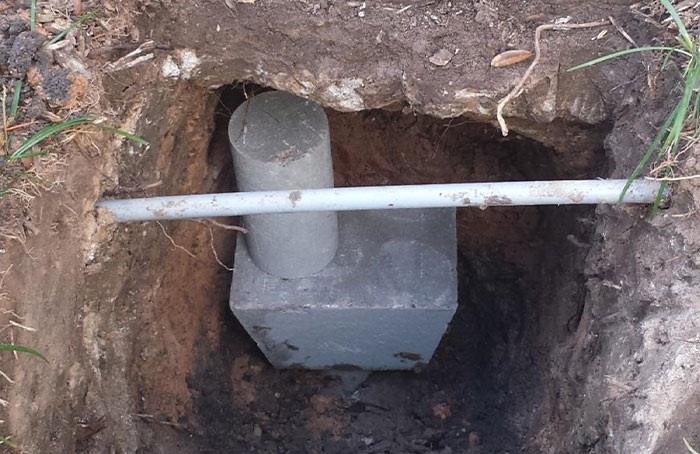
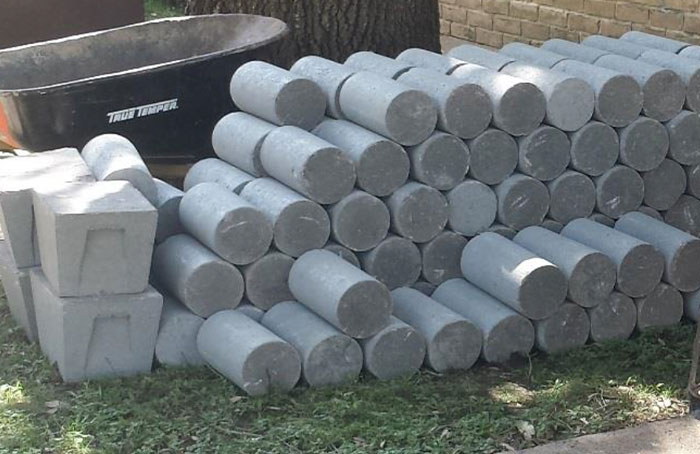
Precast concrete cylinders hydraulically pressed into the soil until they reach resistance. A proven, cost-effective option for many slab homes.
Steel Pilings
Steel pilings driven deeper than concrete to reach firmer soil under heavier homes.
What Affects the Cost of Foundation Repair in Garland?
No two Garland homes need exactly the same repair, so we don’t price a job until we’ve inspected it. After the free inspection, you get a written plan and estimate that spells out what’s included. These are the factors that shape it:
On older Garland homes, a leak test is often part of the plan, because repairing piers without fixing a leaking drain line can allow the soil to keep moving. We include that in the plan when the signs point to it, so you aren’t surprised later.
How much the foundation has moved
The elevation survey shows how far each area has dropped or lifted, which sets how many piers the home needs and where.
Size & layout of the slab
Larger homes, additions and interior areas that need support add pier locations and labor.
Repair method & depth
Pressed concrete or steel pilings, and how deep each must go to reach stable soil.
Access to the work area
Interior piers, patios, driveways, landscaping and tight side yards change the labor involved.
Plumbing & drainage findings
If a hydrostatic test finds an under-slab leak, or water is pooling at the slab, those fixes become part of the plan.
Engineering & permits
Some repairs need an engineer’s report or a City of Garland permit. We tell you up front when they do.
Financing is available for approved repairs. See financing options.
Garland Neighborhoods & ZIP Codes We Serve
Our Garland foundation repair team works in neighborhoods across the city. Each area has its own mix of lot grading, tree cover and home age, which is why every inspection starts with your specific lot.
Garland’s mix of older neighborhoods and newer subdivisions means no two inspections look the same. Older streets tend to involve plumbing and tree questions, while newer areas are more about fill and drainage. If your neighborhood isn’t listed, we serve it anyway.
Areas we serve include:
- Firewheel
- Eastern Hills
- Hickory Creek
- Duck Creek
- Historic Downtown Garland
ZIP codes: 75040 · 75041 · 75042 · 75043 · 75044
- Served from our Dallas office: 2474 Manana Dr, Ste 112, Dallas, TX 75220
- DFW: 214-389-1500
- Weekdays 8am–4pm
What Our DFW Customers Say
Real reviews from Church Foundation Repair customers on Google.
How a Garland Foundation Repair Works
Whether your home needs a few piers or a full repair plan, foundation repair in Garland follows the same four steps. During the inspection we check the inside and outside of the home, record floor elevations, note crack patterns, and look at grading, gutters and downspouts. If the signs point to a plumbing leak, we’ll recommend a hydrostatic test before finalizing the plan.
Many Garland homeowners call us after noticing a crack that keeps growing, or when a buyer, lender or insurance review asks about foundation condition. The inspection and written plan show whether the movement is minor, seasonal or something that needs a repair.
Free inspection
We map cracks, measure elevations, and check drainage and plumbing.
Custom plan
You get a written plan and estimate, plus financing options.
Repairs
Fully insured crews complete the work and keep the site clean.
Final walkthrough
We review the results with you and explain your service agreement.
Garland Foundation Repair FAQs
Answers to the questions Garland homeowners ask us most.
Every home is different, so there is no honest one-size price. Cost depends on how far the foundation has moved, the size and layout of the slab, the repair method and depth, access to the work areas, and whether drainage or plumbing repairs are needed. Your free inspection ends with a written estimate, so you know exactly what’s included before any work starts.
Some foundation repairs require a permit from the City of Garland, and some homeowners, buyers or lenders want an engineer’s report. We’ll tell you up front what your project needs and coordinate it as part of the plan.
Most Texas homeowners policies exclude damage caused by soil movement or settlement, but some cover damage from a sudden plumbing leak. Check your policy, and if a leak may be involved, hydrostatic testing can document it. Learn more in our guide: Is foundation repair covered by homeowners insurance in Texas?
Many residential repairs are completed in a few days once they’re scheduled. Projects that add drainage, sewer line repair or a large number of piers take longer. Your written plan includes an expected timeline.
Yes. Many Garland neighborhoods have an HOA, and we work in them regularly. Most foundation repairs don’t change the outside of your home, and we restore landscaping and work areas when the job is done. If your HOA requires notice or approval, we’ll provide the project details they ask for.
If a buyer’s inspection flags foundation movement, buyers and lenders usually want it repaired or documented. A completed repair with a written plan, final elevations and a transferable service agreement gives buyers confidence. Many of our foundation repairs include a transferable service agreement, and your written plan explains the coverage for your specific repair.
We Also Serve These Areas Near Garland
Don’t see your city? We serve communities across the Dallas–Fort Worth area. Call 214-389-1500 to check your address.
Noticing Cracks or Sticking Doors in Garland?
Get foundation repair in Garland started with a free inspection and a clear written plan from Church Foundation Repair.