
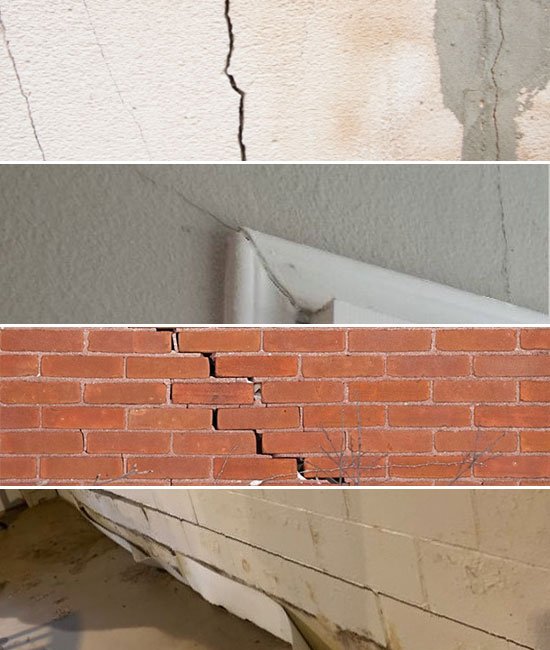
If you’ve noticed foundation warning signs in your Dallas/Fort Worth home, your first question is probably the same as everyone else’s: what is this going to cost? The answer depends on several factors specific to your property — and understanding those factors helps you evaluate quotes, avoid surprises, and make a confident decision. This guide breaks down exactly what drives foundation repair pricing across the DFW metroplex.
Factors That Affect Foundation Repair Cost in North Texas
No two foundation repairs are identical. Here are the key variables that determine where your project will fall within — or outside — those ranges.
1. Type of Foundation
Homes across Dallas and Tarrant County are built on either concrete slab or pier and beam foundations, and repair costs differ between them. Slab foundations typically require hydraulic pier installation or pressed pilings along the perimeter and interior, with costs driven primarily by the number of piers needed. Pier and beam foundations may involve replacing deteriorated beams or joists, re-shimming existing piers, or installing new concrete piers — often at a lower per-unit cost, though access and scope vary significantly by home.
2. Extent of Settlement
Extent of Settlement
The amount of movement your foundation has experienced is the single biggest driver of cost. Minor perimeter settlement affecting one or two corners may require only three to five piers. More widespread differential settlement — common in North Texas homes that have gone several years without maintenance — can require fifteen or more piers to fully stabilize and lift the structure.
This is why early action pays off. Catching settlement at the two-inch stage costs a fraction of what the same home requires after five or six inches of differential movement have developed. From Plano to Fort Worth, deferred repairs are consistently the most expensive ones.
3. Soil and Drainage Conditions
Soil and Drainage Conditions
The expansive black clay soil found throughout the Dallas/Fort Worth region is the root cause of most foundation movement — and poor drainage makes it worse. Homes where water pools against the foundation, where gutters discharge directly at the perimeter, or where the yard slopes toward the house experience accelerated settlement. In many cases, drainage correction must be included in the repair scope to prevent recurrence.
Soil conditions also affect how deep piers must be driven to reach stable bearing strata. Across the metroplex, load-bearing soil depth varies by neighborhood and lot — from Denton County down through Ellis County. Deeper drives mean higher per-pier costs, and your inspector will account for local conditions when developing your estimate.
| Related: Drainage Services Dallas/Fort Worth |
4. Pier Type Used
The repair method your contractor recommends has a significant impact on total cost. The two most common options in the DFW market each carry different price points and performance characteristics:
- Pressed concrete pilings — the most cost-effective option per unit, widely used across North Texas for decades, best suited for moderate settlement on lighter residential structures
- Steel push piers — higher cost per pier but driven to verified load-bearing depth, typically backed by stronger service agreements; preferred for significant settlement or heavier structures in Dallas and Fort Worth
A reputable DFW foundation contractor will recommend the method that is right for your home’s conditions — not simply the highest-margin option. Ask your inspector to explain why they are recommending a specific system.
5. Financing Options
Foundation repair is an unplanned expense for most homeowners, and the cost can feel daunting. The good news is that most reputable foundation companies serving the Dallas/Fort Worth area offer financing programs that make repairs accessible without delay. Common options include:
- Same-as-cash promotional periods (typically 12–18 months) for qualified applicants
- Low fixed-rate installment plans with terms up to 10 years
- Deferred payment options for seniors or fixed-income homeowners
Delaying a repair to save cash rarely works in your favor — foundation movement continues regardless of your timeline, and a larger repair six months from now will cost more than the smaller repair today. Financing allows you to act now, protect your North Texas home’s value, and spread the cost over time.
| Pro Tip: Foundation repairs that stabilize and restore your home typically add more to resale value than they cost — especially in the competitive DFW real estate market. A lifetime transferable service agreement is a tangible asset at closing, particularly with buyers who conduct thorough inspections. |
Get an Accurate Cost Estimate — Free
Pricing guides give you a useful starting point, but the only way to know what foundation repair will cost for your North Texas home is a professional on-site inspection. We serve homeowners throughout Dallas, Fort Worth, Arlington, Plano, Frisco, McKinney, Irving, Garland, and communities across the metroplex.